ALASDAIR CUNNINGHAM
ABOUT ALASDAIR CUNNINGHAM
BUILT THROUGH
EXPERIENCE NOT
THEORY
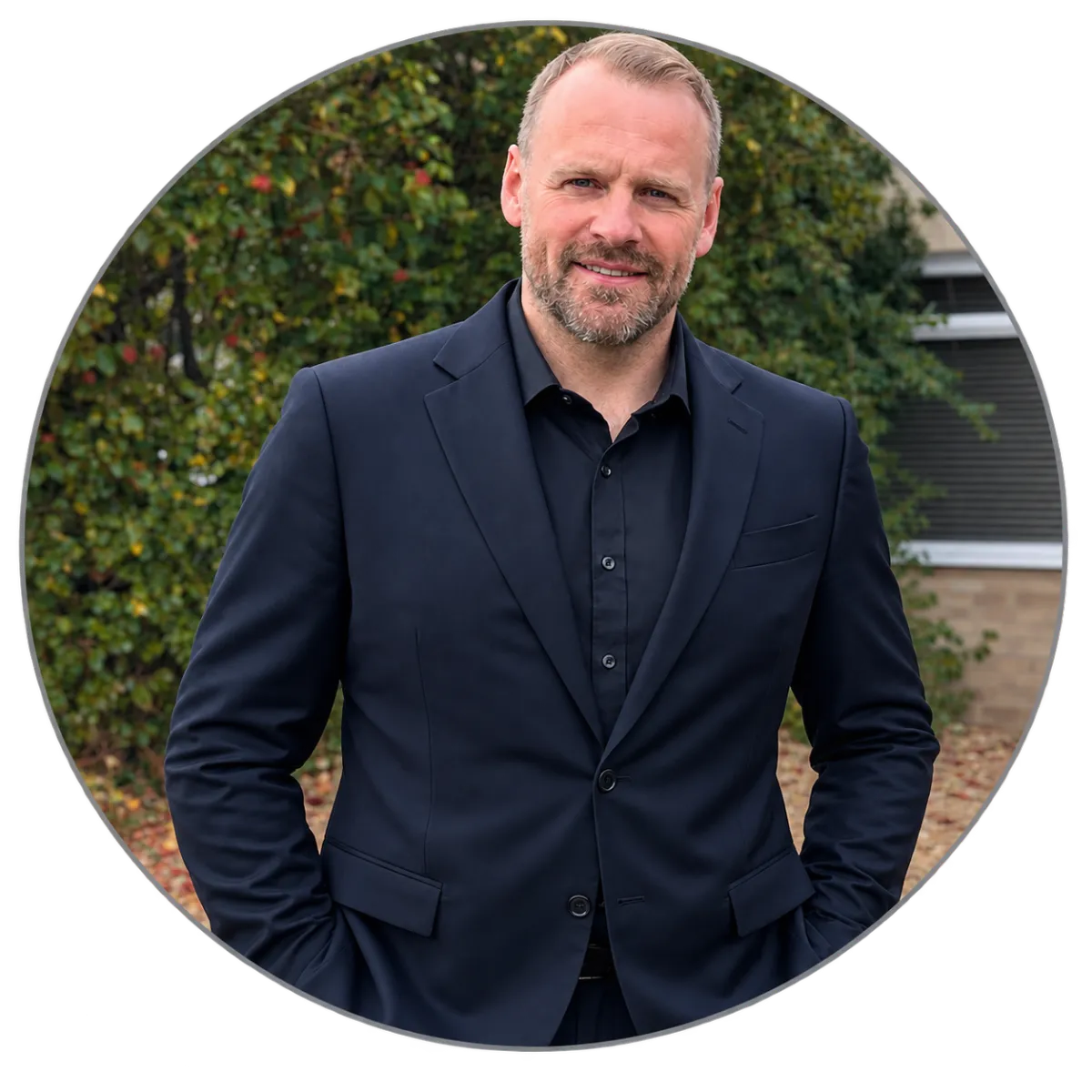
A career built in the real world, shaped by the things that worked and perhaps even more
by the things that didn't.
Proven experience. Real impact.
A Track Record Built in UK Property
- 600+Property deals completed
- 122Deals in year one of sourcing
- £418kBanked in year one
- 7 FigureProperty portfolio
- 770Five-star Trustpilot reviews
- 20+Years in business
- GlobalSpeaker and author
I WASN'T BORN AN ENTREPRENEUR
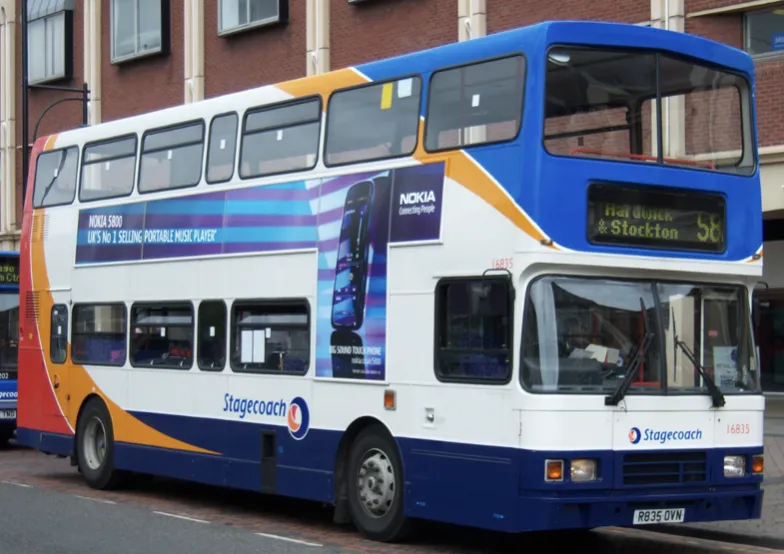
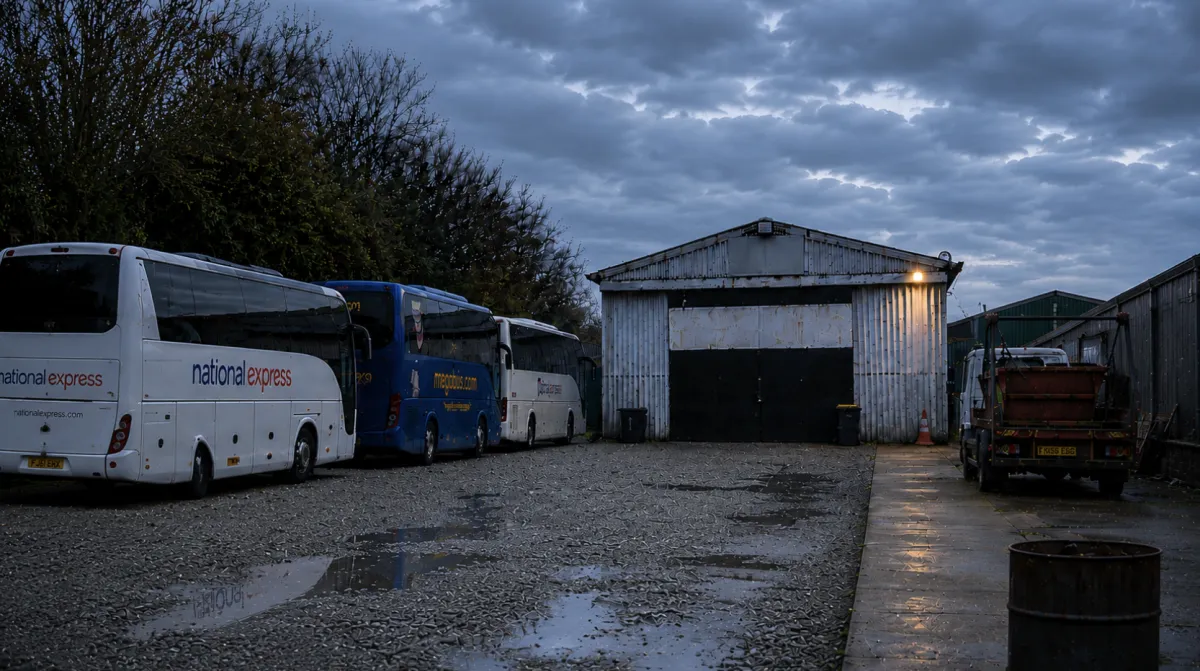
My career didn't begin in a boardroom, at business school or behind a laptop. It started underneath buses.
I left school with a fairly simple plan, get a good job and be set for life.
“Get a trade behind you" the careers adviser told me. So that's exactly what I did. I trained as a commercial vehicle mechanic, initially working for a coach company in Luton called Seamarks Coaches.
And I loved it.
This was before advanced diagnostics and laptops told you what was wrong, we had to understand how things actually worked, diagnose the problem and fix it properly.
I didn't realise it at the time, but that way of thinking and problem solving in my early years would shape almost everything I did later in business.
Because when you're stuck on the M1 with a coach full of passengers, you don't get to theorise. You diagnose the problem, adapt and find a solution.
I WANTED MORE THAN THIS
I wanted to earn more, I wanted to achieve more, but more than anything, I wanted to find out what I was actually capable of. One day, I was talking to a colleague in his 40s who'd spent most of his working life doing the same job, earning roughly the same money I was earning.
“Is this where I'm going to be in 20 years?”
It wasn't about him. There was absolutely nothing wrong with the life he'd chosen. It was about suddenly seeing the path I was on and realising exactly where it could lead. That scared me more than the thought of not having a job. So I quit that same day.
No grand business plan, no investors, no safety net. Just the certainty that I didn't want to spend the next 20 years wondering what might have happened if I'd backed myself. Armed with my trade, a Ford Transit van and everything I'd learned as a mechanic, I started my own business serving bus and coach operators.
At first, it was just me. I worked out of the back of the van, found my own customers, took whatever jobs I could get and did whatever needed doing. The van became a workshop, The first workshop became a bigger workshop, I took on staff, won larger contracts, and eventually built a proper business.
But learning how to fix vehicles and learning how to build a business were two completely different things. Nobody taught me sales, marketing, managing cash flow, managing people or winning contracts.
I had to figure it out as I went. Over the next 12 years, that business gave me plenty of victories and more than a few painful lessons. I got things right and got plenty wrong. But it became my real education in business.
More than 20 years after I first climbed into that Ford Transit and backed myself, the business I started is still operating today.
That decision didn't just change my career - It started the next 20 years of my life.
I DREAMT IT - STARTED IT - GREW IT - CREATED THE EXIT
closed & sold
partnerships
repeatable success
year one
into results
I built that first business from £483 in the bank to £500k a year in revenue, then sold it. The buzz of entrepreneurship had well and truly got hold of me, so I couldn't just sit back and wait.
Franchises, skip hire, waste management and ecommerce followed. Some worked. Many didn't. Entrepreneurship isn't always about winning, and there were more lessons in the failures than in the success stories.
During those years of experimenting, one sector caught my attention: property. Not as a landlord, but as a business.
I started with property sourcing, and in my first year I closed 122 deals and banked £418k from a standing start. That was the fast money. Then I moved into controlling property through rent-to-rent and Airbnb, creating the slow money that pays me every month.
Today I've completed over 600 property deals and built a 7 figure property portfolio and business. And I teach others to do the same, making both active and passive income through property.
BUS & COACH MECHANIC | ENTREPRENEUR | INTERNATIONAL SPEAKER
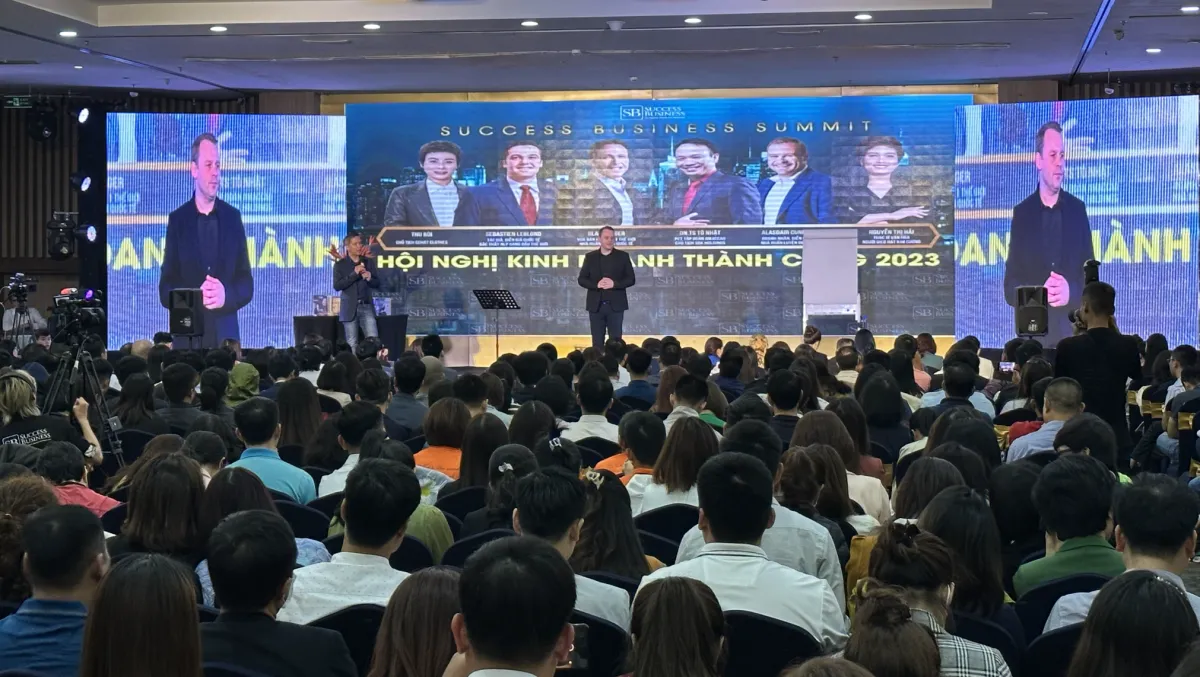
I'd Never Dreamed of Being a Speaker
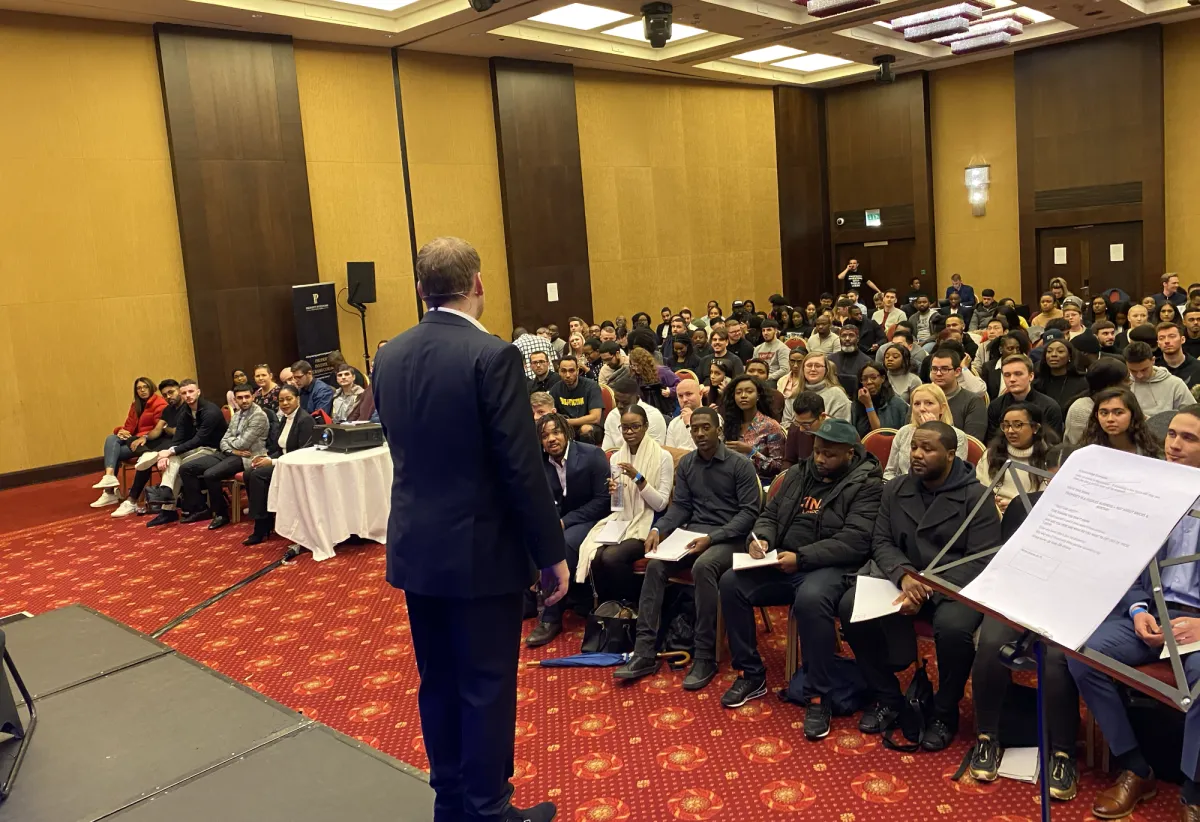
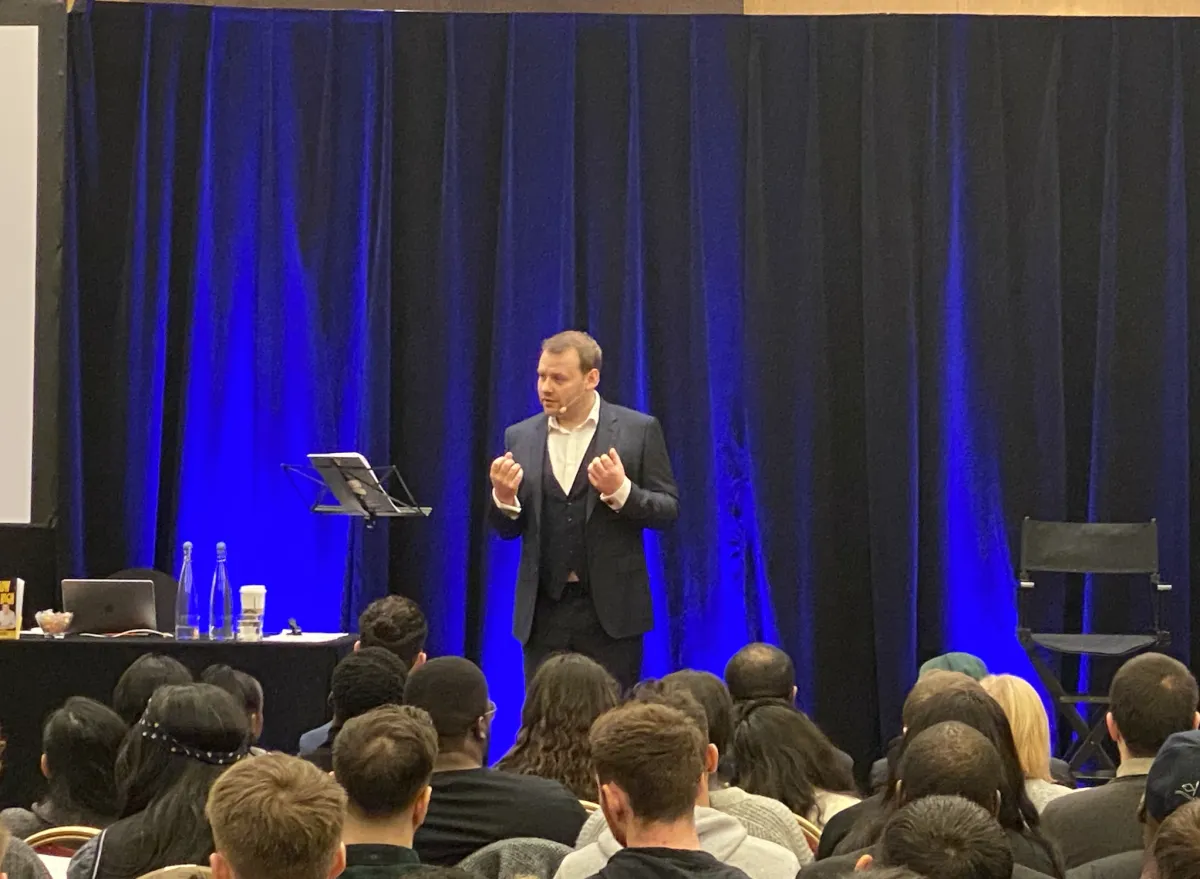
Being a speaker was originally not part of the plan, this happened by pure chance. My mentor at the time encouraged me to master the art of speaking as it was the biggest catalyst to his business growth, and with my new "say YES and figure it out" attitude I leaned into speaking but never did I think it would lead me where it did, the opportunities I created and the relationships that helped my businesses grow.
3
Continents
11
Countries
1000s
Hours on stage
3,200
Largest audience
72
Events in one year
5★
Rated speaker
Speaking was never part of the plan.
I still remember the first time, Hilton Hotel in Victoria, London. Around 150 people in the room. I wasn't even there to deliver a big presentation. I'd simply been asked to get on stage and answer a few questions about property and what I'd been doing.
My hand was buried in my pocket because it was shaking so much. I was sweating, nervous and completely outside my comfort zone. I hated it. And weirdly, I loved it. However, Something clicked and over the next few years, I started accepting more opportunities to get on more stages.
Initially it was about property, but I quickly realised that people weren't just connecting with what I was saying. They connected with how I said it. No guru nonsense. No pretending everything was easy. Just real experiences, real mistakes and a direct, no-BS approach to what had actually worked for me.
Speaking changed far more than I expected it to, It took me from having conversations one-to-one to being able to have them one-to-many. It helped grow my businesses, build an investor and client network and opened doors I could never have predicted. One person in an audience led to another introduction. One stage led to another. Eventually, an opportunity took me to Vietnam, then across Asia and onto international stages.
You never really know who's sitting in the audience
Sometimes one conversation, one room or simply saying yes to something that scares the life out of you can completely change the direction you're heading. Without the speaking side of my business I don't think I would ever have gotten the opportunities I have.
20+ YEARS IN BUSINESS
THE SUCCESS
TAUGHT ME PLENTY...
THE FAILURES
TAUGHT ME MORE...
THE PARTS YOU DON'T ALWAYS SEE
Twenty years in business hasn't been twenty years of winning
I've built businesses that worked and businesses that didn't. I've made great investments and terrible ones. I've trusted the wrong people, made decisions I wouldn't make today and lost money learning lessons no course could have taught me.
There have been times when everything looked great from the outside, while behind the scenes I was trying to work out what the hell to do next.
That's business and looking back, some of the most valuable lessons I've ever learned came from the periods I'd probably rather not repeat.
FAILURE DOESN'T
MAKE YOU BETTER...
FIGURING OUT WHY
YOU FAILED DOES...
I DON'T WEAR FAILURE AS A BADGE OF HONOUR.
Getting something wrong isn't impressive. Learning enough from it that you don't make the same mistake twice is.
Every difficult period forced me to look underneath the surface. What actually went wrong? Was it the market? The offer? The people? The numbers?
Or was I simply fixing the wrong problem?
That way of thinking became more valuable to me than any single strategy I've ever learned.
FUNNY HOW THINGS GO FULL CIRCLE SOMETIMES
TURNS OUT I NEVER STOPPED
BEING A MECHANIC...
The machinery changed, the stakes got higher and the results got better. But fundamentally, thinking like a mechanic has guided me through my whole career, and it's the same thinking behind my ACS™ Framework: diagnose what's really broken, fix it properly, then scale.
I never really stopped being a mechanic
01
Diagnose
Find the real problem, not the symptom.
02
Fix it properly
No shortcuts, no sticking plasters.
03
Improve
Make it run better than before.
04
Build to last
Systems that keep running without you.
My Journey
More than two decades of building, learning, failing, rebuilding and growing.
- Started apprenticeship in the Bus & Coach industry1998
- 2005Left employment and started first business
- Opened first workshop and hired first staff members2008
- 2011Moved to larger premises and recruited more staff
- Exited engineering business to a new owner2015
- 2017Two years of failed launches
- Property business launched2017
- 2018First stage presentation
- Started consultation business2021
- 2023International speaking tour
- 770 reviews, 7 figure property business, author, speaker and business owner2026
MY STORY CONTINUES, YOU'RE WELCOME TO JOIN THE JOURNEY...
Work with Alasdair
01
Build income through property
Take your first step into property. Learn how to create fast money from sourcing and slow money from rent-to-rent and Airbnb on my Property Entrepreneurs Webinar.
Explore the event →02
Build a property business that doesn't depend on you
Work with me and my team in the Property Partnership to build the systems, team and deal flow that scale your property business past six and seven figures.
The partnership →03
Bring real-world experience to your stage
Keynotes, workshops and events built around entrepreneurship, business, property and the lessons learned along the way.
Book me to speak →The ACS™ Framework
The framework behind every business I've built
Attract the right leads. Convert them into sales. Scale past six and seven figures. The same framework I use across property and business.
Explore the ACS™ Framework →


